CASE STUDY · STYLING · ILLUSTRATIVE SCENARIO
Hair Styling Portfolio Planning: from buyer brief to launch plan
An illustrative styling portfolio scenario covering gels, clays, waxes, sprays, foams and curl products. The focus is on finish, hold language, format and customer choice, with claims tied to a confirmed formula and test plan.
Example project brief
A brand wants a styling collection that serves different looks and hair routines. The challenge is to distinguish finish and application experience while keeping the portfolio navigable across ecommerce, salon and retail channels.
Shape and define
Compare gel, cream and curl formats by texture, application, finish and hair type. Explain intended use without promising one universal result.
Texture and control
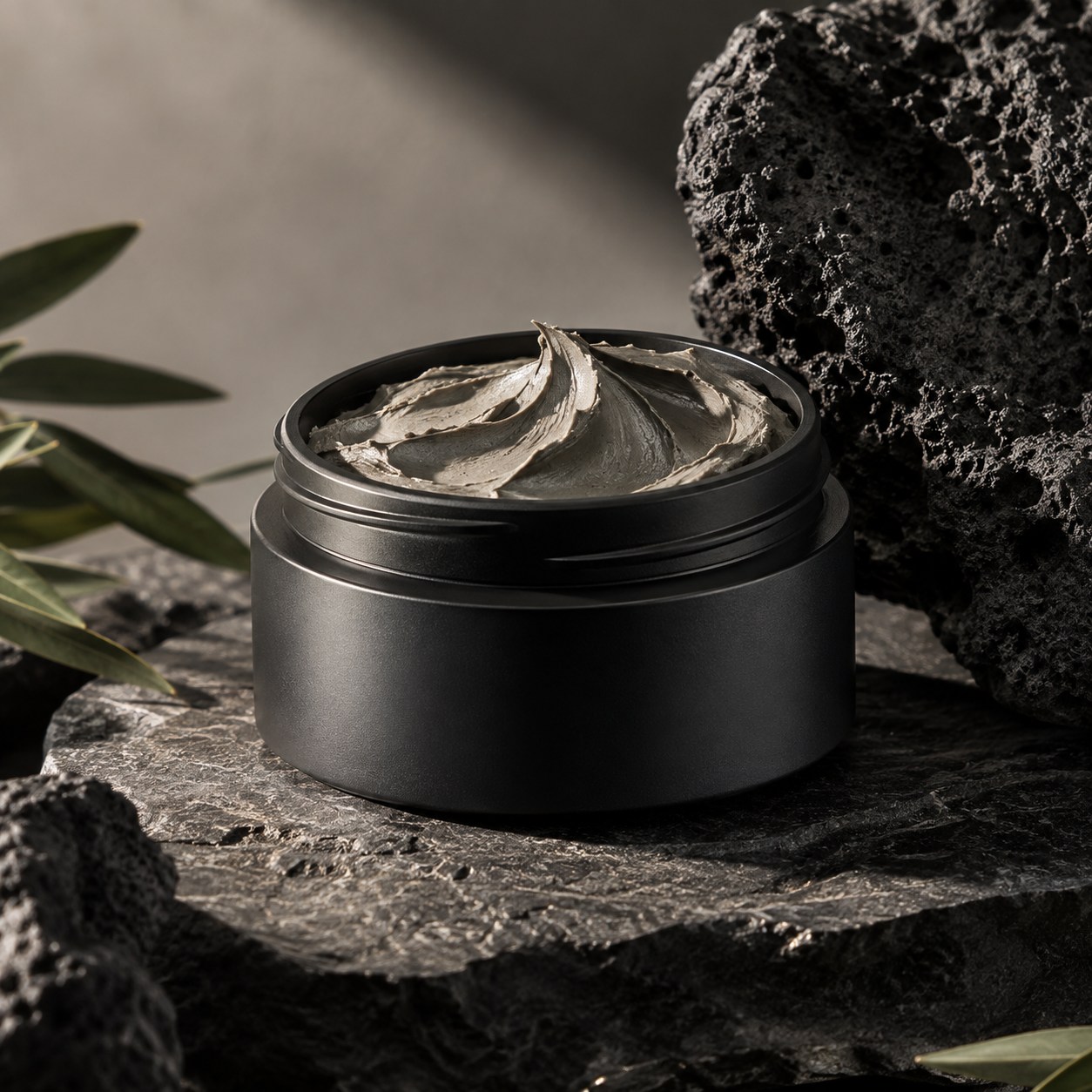
Position clay, paste, wax and pomade using confirmed sensory attributes such as matte or shine only after sample review. Select a container that is practical for dispensing.
Finish and refresh
Separate pump sprays, foams and powder products by application method and customer occasion. Validate the correct package format and use instructions.
Project pathway
1 · Customer and look map
Identify target customer, styling habits, preferred finish, channel and price architecture. Use market research to decide which needs are real launch priorities.
2 · Product brief
Specify hold preference, finish, reworkability, residue expectations, fragrance, hair length and application method. Keep qualitative goals measurable through agreed sample-review criteria.
3 · Formula and package feasibility
Check formula direction alongside pump, nozzle, jar, tube or other package compatibility. Do not select a package solely from a visual reference; viscosity and dispensing performance matter.
4 · Sample comparison
Review samples under repeatable application conditions. Document amount used, hair condition, styling method, dry-down, tactile finish, washout and packaging function. Describe these as observations, not broad guarantees.
5 · Claims and instructions
Review hold, humidity, heat-protection or other performance language against the actual formula, test evidence and market rules. Provide clear directions, cautions and ingredient information.
6 · Portfolio content
Use comparison guides and product pages to help buyers understand differences among formats. Link each page to its relevant family and quote form, and keep search terms aligned with the exact product type.
Information the buyer should prepare
- Destination markets, sales channels and intended customer.
- Product role, reference formats and the reason each reference matters.
- Preferred texture, fragrance, package, artwork requirements and estimated quantity.
- Proposed claims, supporting evidence and any required local review.
- Sample approval criteria, decision owners and indicative launch sequence.
Clear inputs help the project team separate feasibility questions from commercial preferences. Final formula, packaging, documentation, manufacturing arrangements and quote terms remain subject to written project review.
Frequently asked questions
How many styling formats belong in a launch?
There is no universal number. Select formats that address distinct customer needs, fit the channel and can be supported by clear instructions and reliable supply planning.
Can styling hold or humidity claims be guaranteed?
Only publish claims supported for the exact formula by appropriate evidence and allowed in the destination market. Define test conditions before using numerical or comparative statements.
What information should the styling brief include?
Target look, hair profile, application method, desired finish, hold preference, fragrance, packaging, channel and market are useful starting points.
Plan your styling project
Share the destination market, customer, channel, product shortlist, packaging preference and estimated quantity. AURVONX can coordinate a project-specific review with the manufacturing partner.
Discuss a styling project →